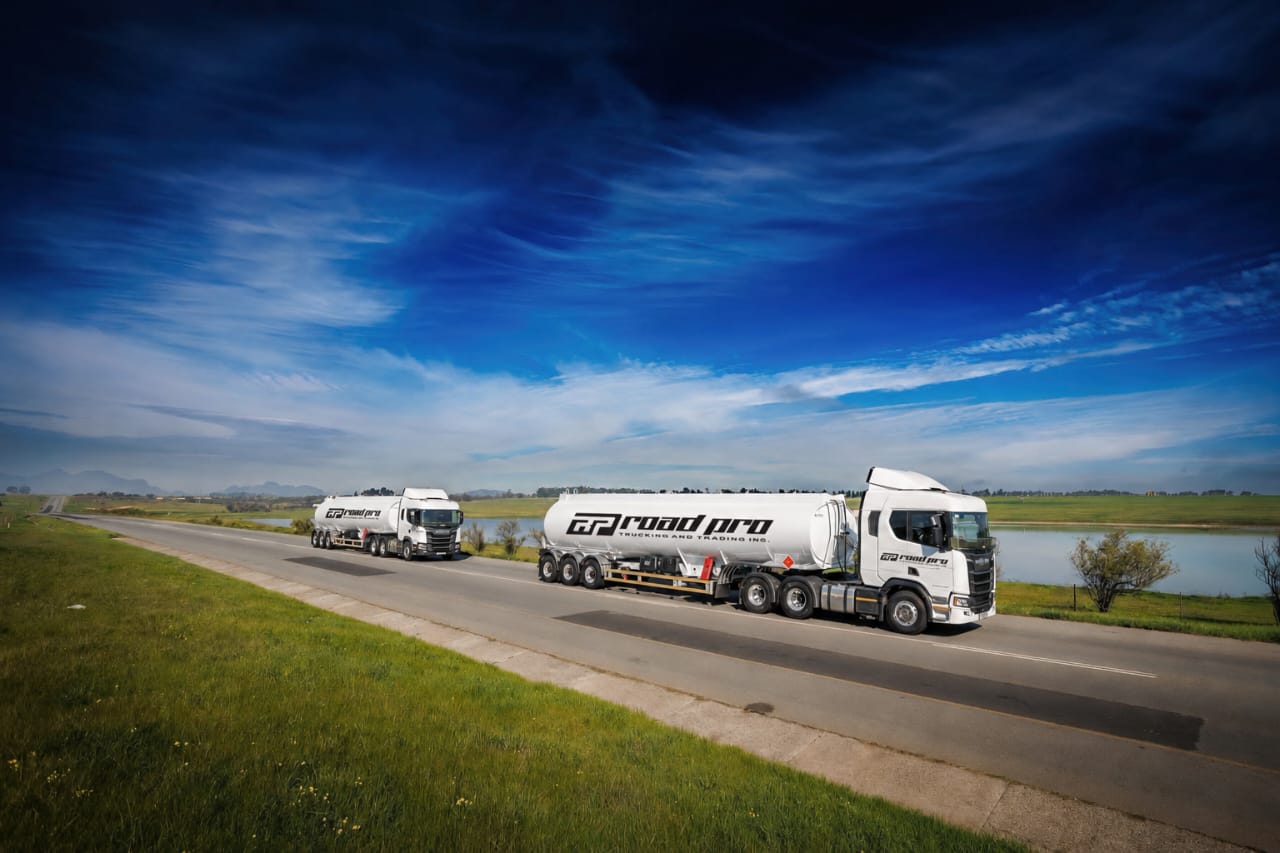
Safe Fuel Hauling in Subic Bay: How We Move Petroleum Without Incident
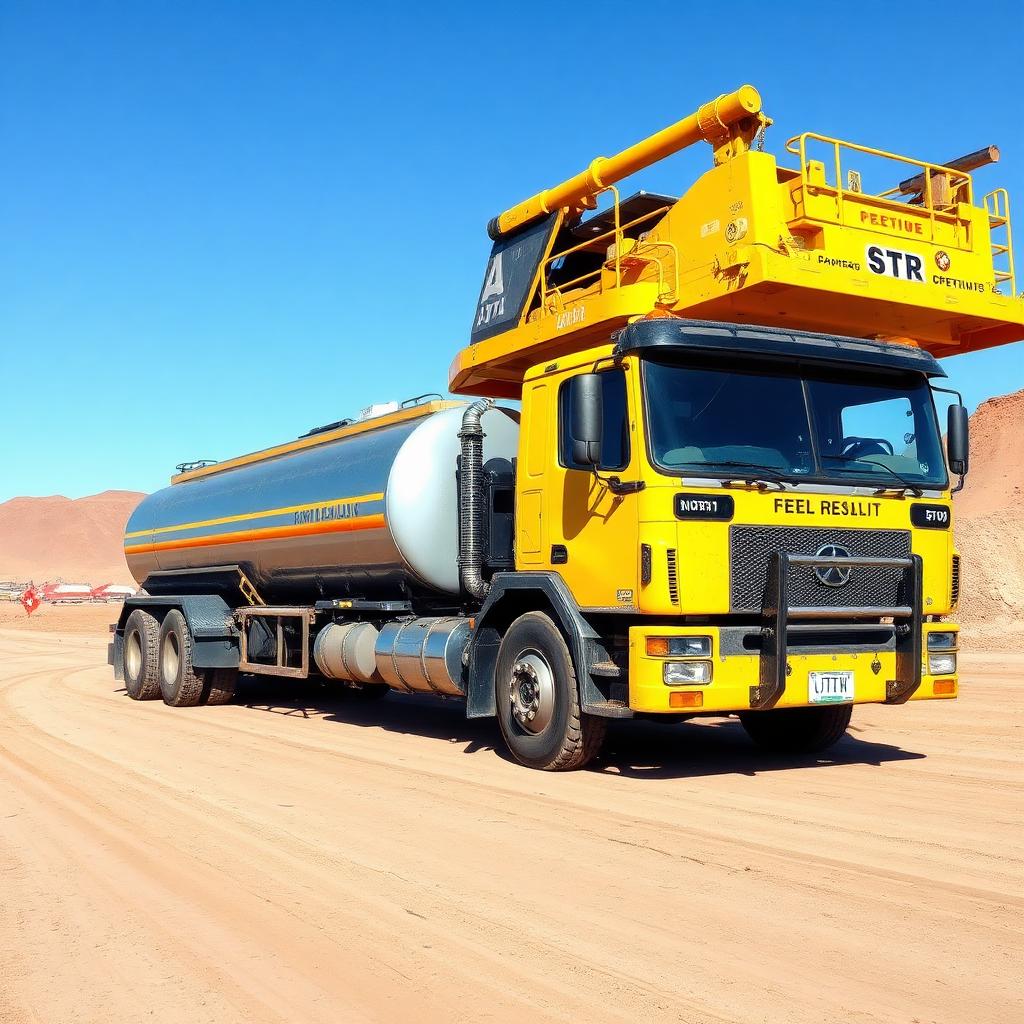
Petroleum and fuel hauling is where Road Pro started in 2014, and it remains the discipline that shapes how we run every other lane today. Moving fuel from depot to plant, station, or genset across the Subic Bay Freeport Zone and out to the wider Luzon corridor leaves no room for shortcuts. A general freight lane forgives a late start or a missing form. A fuel lane does not. Every truck, every driver, and every route is prepared before the load leaves the yard, and the paperwork that follows it is treated as part of the cargo.
The shift starts before the engine does
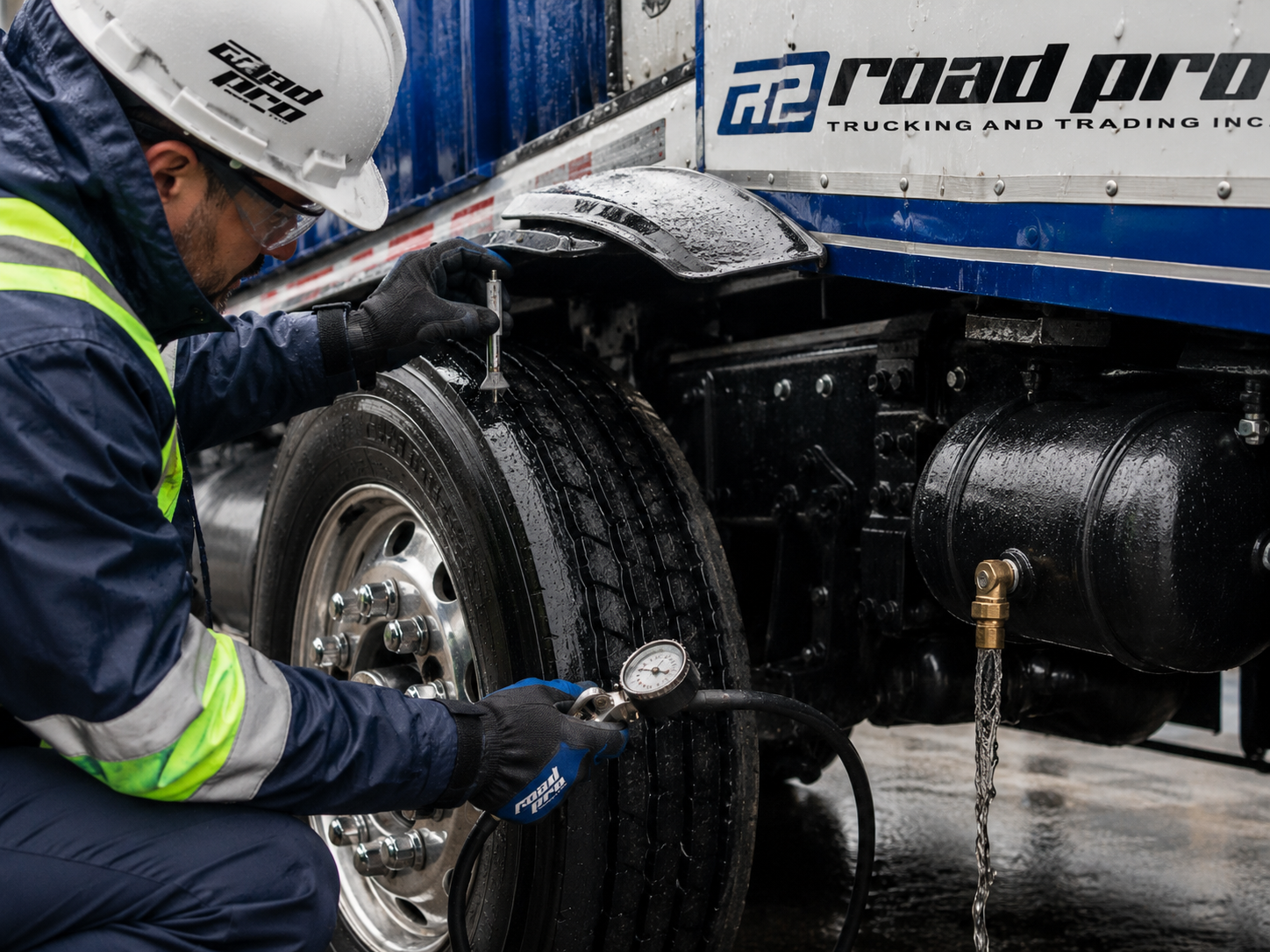
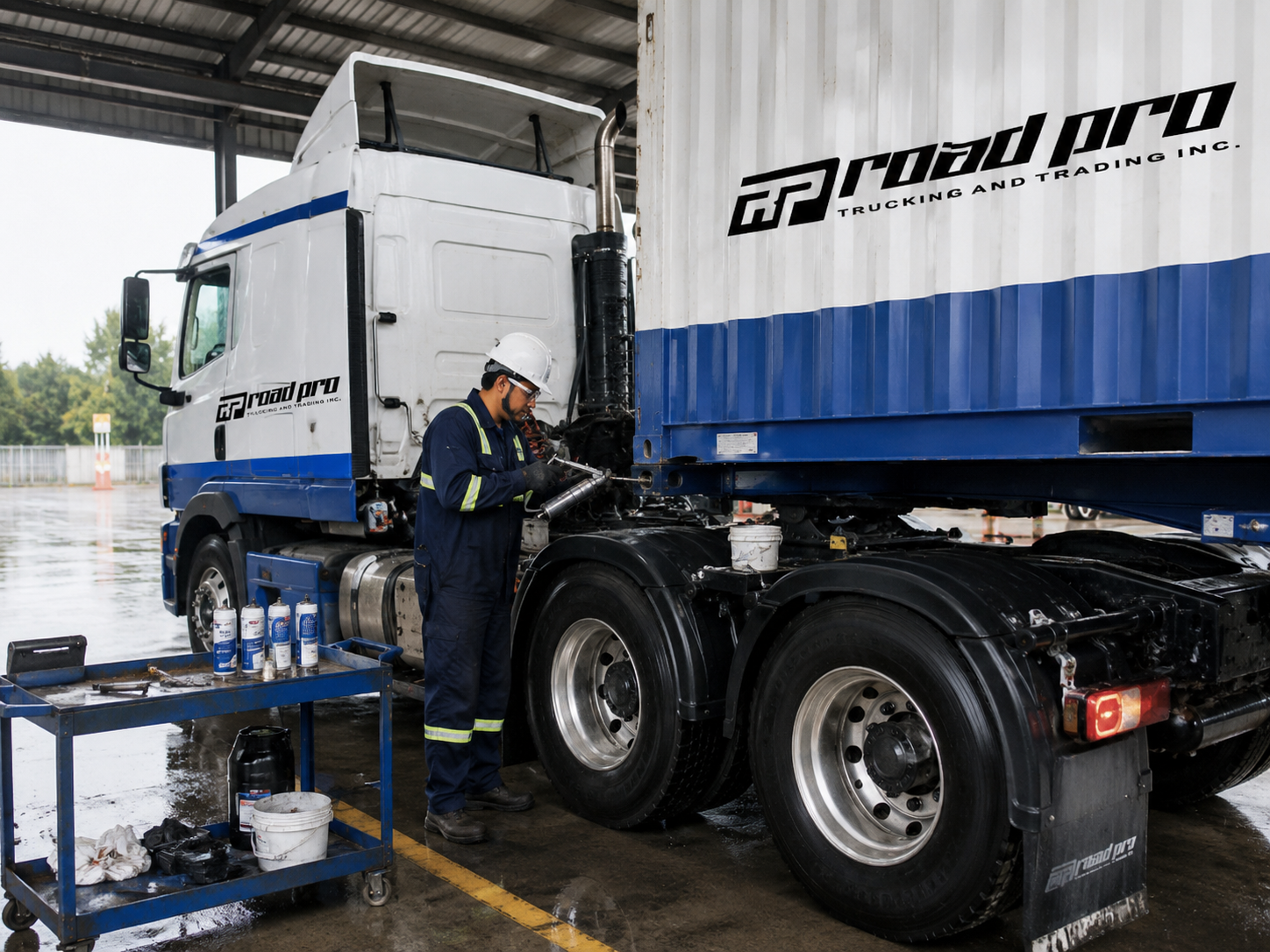
Each shift begins with a documented pre-trip inspection. Brakes, tyres, lights, coupling, tanker seals, emergency shut-offs, grounding cables, fire extinguishers, and personal protective equipment are all checked against a printed list, and the list is signed. If an item fails, the unit does not roll — it goes to our own maintenance shop, and dispatch reassigns the load. That sounds obvious written down, but it is the single most common place where carriers quietly cut corners to protect a delivery window.
Drivers rotate through refresher training on defensive driving, spill response, static control during loading and discharge, and hazmat documentation. Every unit carries the safety kit specified by SBMA and by our fuel partners, and the kit is inventoried, not assumed. Our drivers are screened, drug-tested, and briefed on the specific site rules of each receiving facility, because a compliant driver at a non-compliant gate still ends the day as a failed delivery.
Route planning is a safety control, not an admin task
We plan fuel routes around three constraints: road condition, traffic exposure, and receiving-site availability. A route that is five kilometres shorter but passes three congested market areas at midday is the more expensive route once you price in risk and idle time. Where a lane crosses local government checkpoints or restricted hours, permits and timing are cleared in advance rather than negotiated at the barrier.
Dispatch monitors every tanker by GPS through the run. If a unit stops outside a planned point, the control tower calls. If weather closes a section of road, we reroute and inform the customer before they have to ask. That last part matters more than most operators admit — customers rarely complain about a delay they were told about early; they complain about the delay they discovered themselves.
What the record looks like
Road Pro internal operations data across petroleum and fuel hauling lanes originating from Subic Bay Freeport Zone.
The reason we publish this routine is that it is measurable. Across our fuel and petroleum lanes, the pattern below is what the discipline produces: high on-time performance, near-total compliance on documentation, and an incident count that stays flat as volume grows.
Lower is better. Incident count held flat while monthly run volume increased.
Why it holds up as volume grows
Scaling a fuel operation is where most carriers lose their safety record. New drivers arrive faster than the culture can absorb them, maintenance slips behind dispatch demand, and the checklist becomes a signature instead of an inspection. We protect against that in three ways: we service every unit in our own shop so maintenance is never subordinate to somebody else's schedule, we cap how many new drivers join a lane in a single month, and we pair every new hire with a senior driver for their first runs.
The result is a routine that our customers can plan around. Deliveries arrive on schedule, seals are intact, paperwork lands clean the same day, and incidents stay where they belong — off the report. If you are moving fuel in or out of Subic Bay and want to see the inspection checklist and driver briefing pack before you award a lane, ask us. We will send them.