Container Hauling That Clears the Yard: Port to Warehouse Without Delays
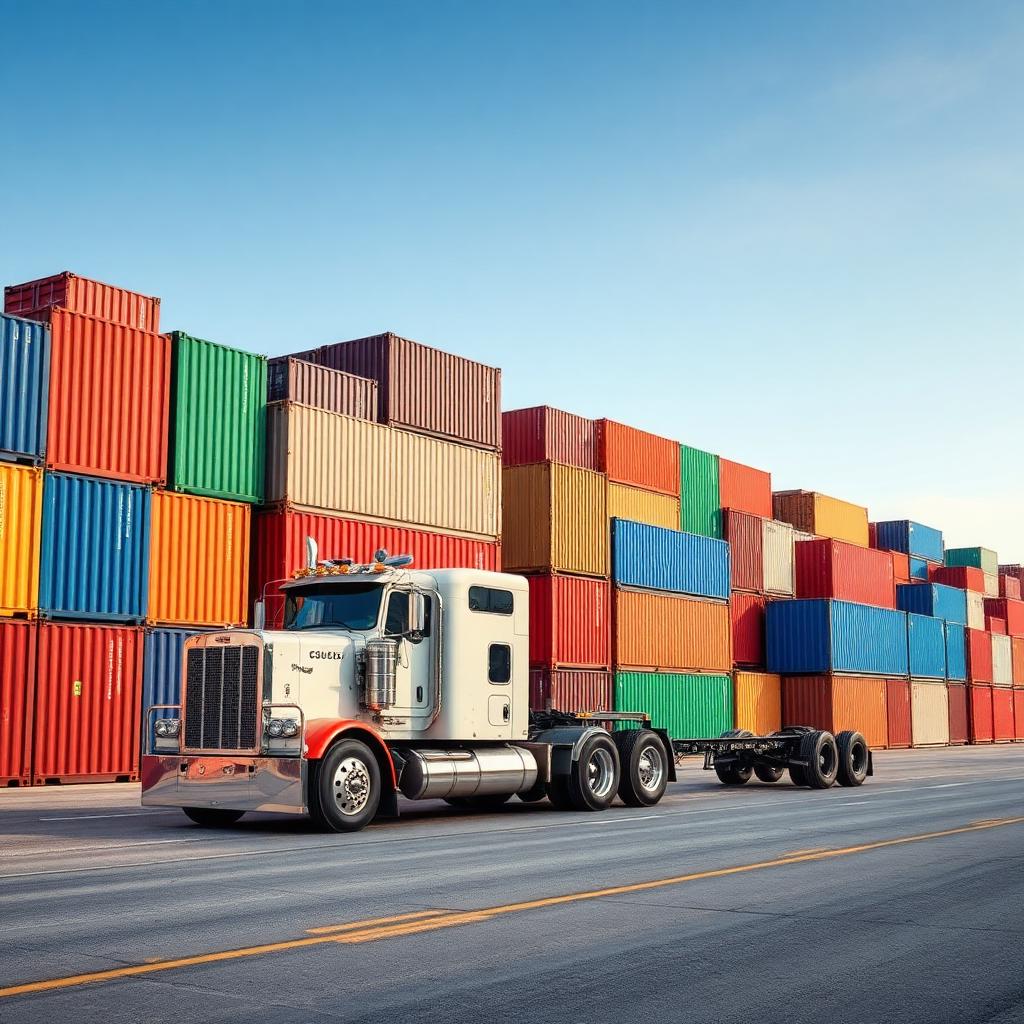
Container costs stack fast. Every hour a box sits at the port after free time expires is money nobody budgeted for, and detention and demurrage charges have a way of surprising importers at the worst possible moment — usually in the same week the shipment was supposed to improve cash flow, not consume it.
The uncomfortable truth is that most of those charges are avoidable. They are not caused by the shipping line or by customs; they are caused by sequencing failures on the land side. A chassis that is not where it should be. A driver booked for the wrong window. A warehouse with no unloading slot at the time the box arrives. Each one is small. Together they are the difference between a clean import cycle and a five-figure surcharge.
Sequencing is the whole job
Our container desk works backwards from vessel arrival rather than forwards from release. Before the box is available we already know which chassis type it needs, which driver is assigned, what time the warehouse can receive it, and what the fallback is if the terminal runs slow. Pickups are sequenced against terminal appointment windows so trucks are not queuing while free time burns.
Chassis matching matters more than it sounds. A 40-foot box on the wrong chassis is a wasted trip; a reefer or a heavy load on an unsuitable trailer is a safety issue, not just an inefficiency. We hold the chassis mix required by the lanes we run, and we do not improvise at the gate.
Where the hours actually go
Average hours per container cycle before and after Road Pro sequencing, based on customer lanes transferred to us.
When we audit a delayed container cycle, the lost time is rarely in transit. It concentrates in three places: waiting for release, queuing at the terminal, and waiting for a warehouse door. The chart below shows the typical breakdown we see when a customer moves a lane to us, and where our sequencing recovers time.
The drop side is half the equation
Getting the box out of the port is only useful if it can be unloaded on arrival. We coordinate directly with the receiving warehouse — confirming the slot, the equipment on site, and the person who signs — so the unloading window is short and clean. Then we return the empty promptly, because a late empty return is a detention charge with a different name.
For customers running regular import volumes we set standing arrangements: recurring appointment windows, pre-assigned drivers who know the site, and a weekly review of any cycle that ran long. The point is to remove decisions from the critical path. Every decision that has to be made while the clock is running is a decision that costs money.
Charges recorded on managed lanes after six months of standing arrangements.
What good looks like
The measure is simple: containers in, containers out, and no line items you did not plan for on the invoice. On lanes we have run for more than six months, unplanned detention and demurrage charges are close to zero — not because we are lucky with terminals, but because the plan absorbs the variability that terminals produce.
If your last quarter included detention charges you could not explain, send us the cycle data. We will show you where the hours went and what a sequenced plan would have changed.