Keeping FMCG Shelves Full: The Logistics Behind Fast-Moving Goods
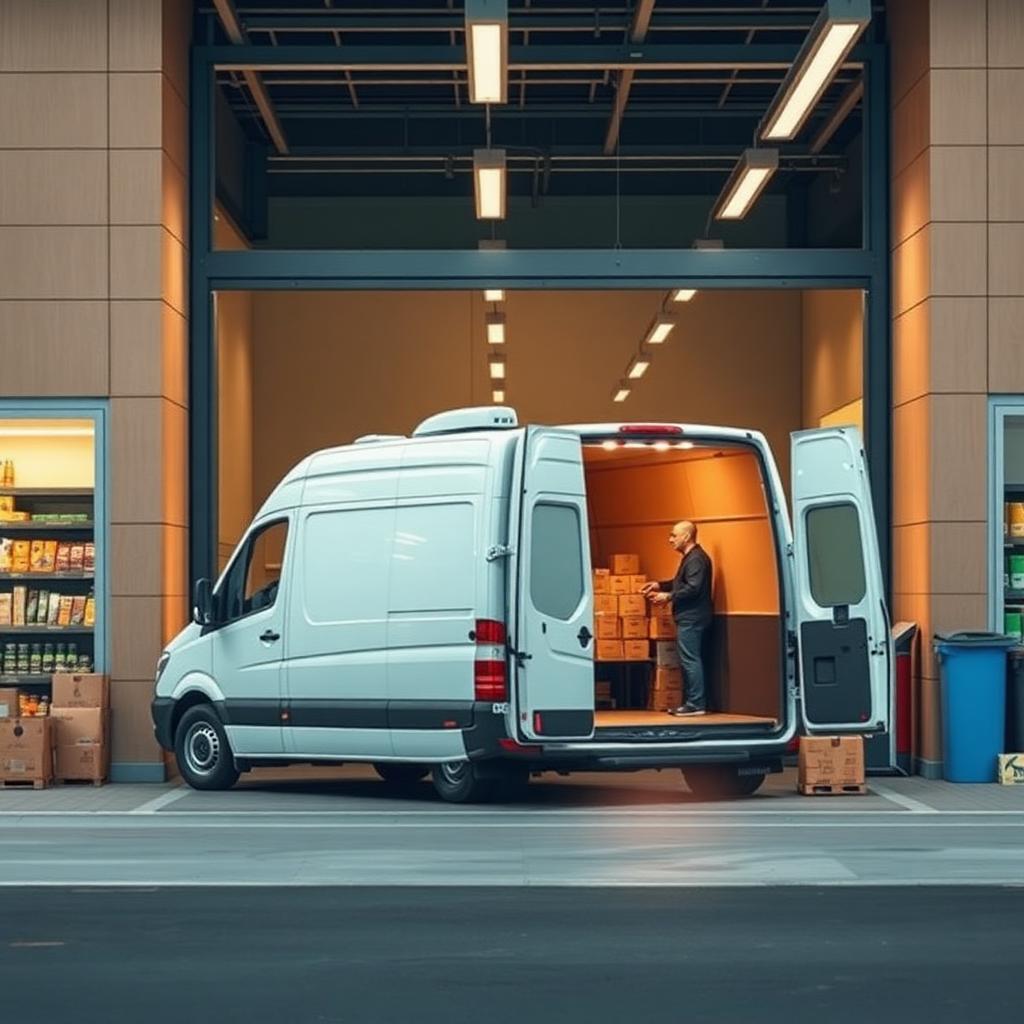
In fast-moving consumer goods, an empty shelf is a lost sale that never comes back. The shopper does not wait for the restock; they buy the competing brand and, often enough, keep buying it. Distributors and retailers know this, which is why they plan their weeks around delivery windows and why the carriers who protect those windows earn the next lane.
The window is the product
An FMCG delivery that arrives four hours late is not a slightly worse delivery. If it misses the receiving window, it may not be accepted at all, and the truck waits until the next slot — sometimes the next day. That converts a transport delay into inventory sitting in a trailer, a driver out of hours, and a store short of stock.
So we treat the window, not the distance, as the deliverable. Scheduled runs depart on fixed times rather than when the truck happens to be loaded. Routes are built around receiving hours at each drop. Where a retailer enforces strict appointment slots, those slots drive the whole plan backwards to the loading bay.
Cross-docking at Subic
For customers consolidating imports or regional production, we cross-dock at Subic: inbound volumes are broken down and rebuilt into store-ready or distributor-ready loads without going into long-term storage. That removes a handling cycle and a day of dwell, and it lets a single inbound container feed several outbound drops on the same run.
Cross-docking only works with disciplined documentation. Every pallet is accounted for on the way in and on the way out, and discrepancies are raised the same day rather than discovered at reconciliation weeks later.
Damage, documentation, and the invoice
Measured on scheduled FMCG runs from Subic cross-dock to distributor and store drops.
Two things quietly destroy FMCG logistics economics: damaged goods and messy paperwork. Damage is a securing and handling problem — solved with correct pallet configuration, load bars, and drivers who are trained to refuse an unsafe load rather than absorb it. Paperwork is a process problem — solved by getting delivery receipts back the same day the truck runs, so invoicing and claims do not drift.
The chart below shows what those two disciplines are worth on a typical retail lane after six months.
Comparison of handling models for the same inbound volume.
Priority handling for time-critical loads
Temperature-sensitive, promotional, and time-critical loads get dedicated drivers and priority slots. Promotional stock in particular has a hard commercial deadline — arriving the day after a promotion starts is functionally the same as not arriving. Those loads are flagged at booking and tracked separately by dispatch.
Boring is the goal
The aim is not heroic recovery when things slip. It is a plan boring enough that nothing slips in the first place: fixed departures, known receiving windows, correct equipment, same-day paperwork, and one coordinator who knows your account.
If your current carrier's performance is measured mainly by how well they explain delays, it may be time to compare it against a lane that simply runs. Send us your delivery windows and we will tell you what we can commit to.